How to Wrap Your DIY Gifts Like a Pro – 7 Styling Tips
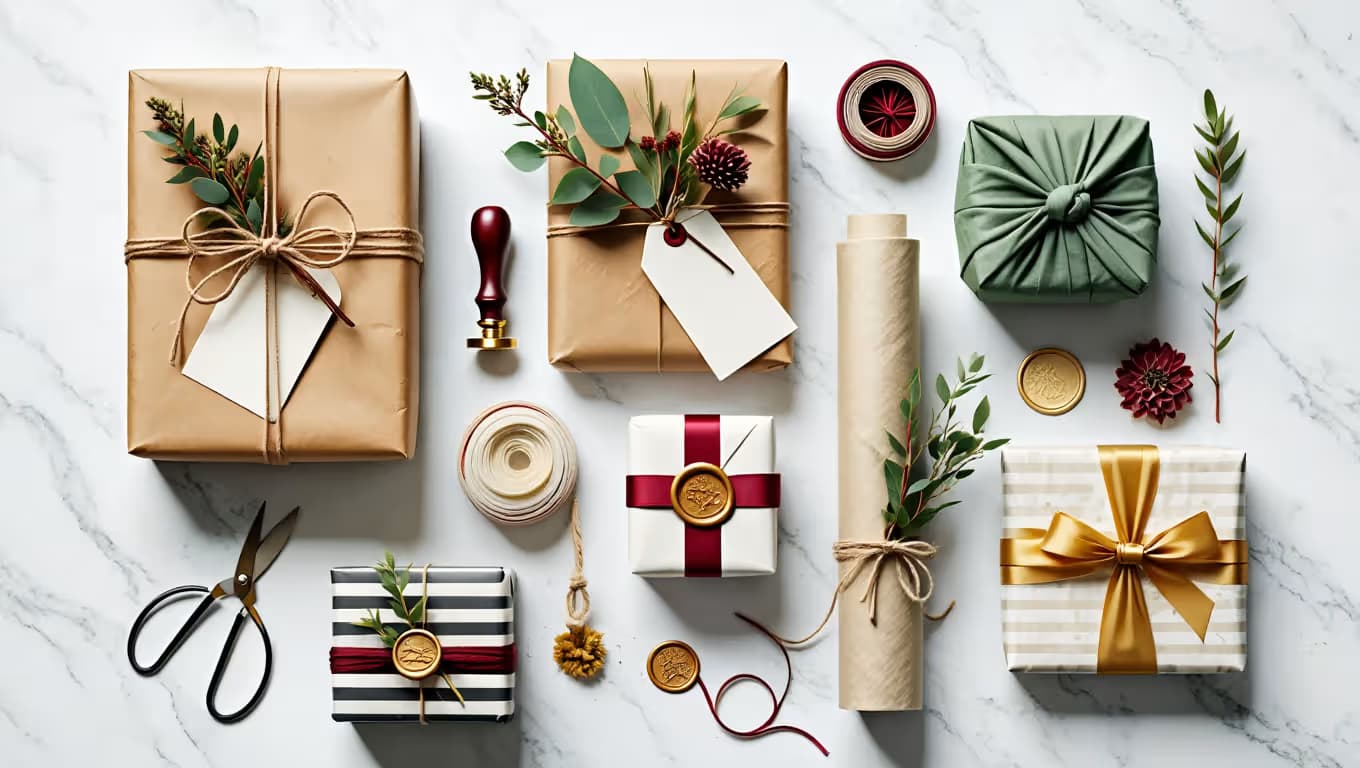
Introduction: The Art of Thoughtful Presentation
In today's fast-paced world, the personal touch of a thoughtfully wrapped gift carries more meaning than ever before. While the gift itself might be a handmade creation, a carefully selected item, or a heartfelt token, the presentation can elevate the entire experience from ordinary to extraordinary. This is where DIY gift wrapping becomes more than just a practical necessity—it transforms into an art form that communicates care, attention, and personal connection.
When you create DIY gifts, whether it's a knitted scarf, a batch of homemade cookies, or a custom photo album, the wrapping becomes an integral part of the gift itself. A professionally wrapped present tells the recipient that you didn't just make or choose something special for them—you also took the time to present it with equal thoughtfulness. This extra effort creates anticipation, excitement, and a sense of occasion that store-bought wrapping simply cannot match.
The beauty of DIY gift ideas extends beyond the gift itself to encompass the entire gifting experience. In a world where mass-produced, generic wrapping paper and hurried gift-giving have become commonplace, taking the time to wrap your presents with professional flair demonstrates a level of care that stands out. Your recipient will notice the difference between a hastily wrapped package and one that has been crafted with intention and skill.
This article will guide you through seven essential styling tips to transform your DIY gift wrapping from basic to breathtaking. Whether you're preparing for Christmas, a birthday, Valentine's Day, or any special occasion, these techniques will help you present your handmade creations with the polish of a professional. We'll cover everything from precision techniques and color coordination to dimensional accents and special considerations for unusual gift shapes. By the end, you'll have a comprehensive toolkit for making every gift you give look as special as the thought that went into creating it.
Why Professional-Wrapping Matters More Than You Think
The way you present a gift significantly impacts how it's received. Research in consumer psychology shows that the visual appeal of a gift wrapper directly influences the recipient's perception of the gift's value and the giver's thoughtfulness. When you take the time to wrap your DIY gifts professionally, you're not just covering an object—you're creating a complete sensory experience that builds anticipation and conveys your personal investment in the relationship.
Consider this: you've spent hours crafting the perfect handmade candle or baking a batch of gourmet cookies as a DIY gift idea. You've selected high-quality ingredients and put your heart into the creation. But if you present it in crumpled, mismatched wrapping paper with uneven edges and a haphazardly tied bow, all that effort is undermined. The presentation becomes a distraction rather than an enhancement to your gift.
Professional DIY gift wrapping serves several crucial purposes:
Creates anticipation: A beautifully wrapped gift builds excitement before it's even opened.
Enhances perceived value: Well-presented gifts are consistently rated as more valuable by recipients.
Communicates care: The time and effort put into wrapping communicates how much you value the recipient.
Completes the gifting experience: The act of unwrapping becomes part of the gift itself.
Sets a positive emotional tone: A thoughtfully presented gift creates a more positive emotional response.
In our digital age, where so much communication is virtual, the physical act of giving a tangible, beautifully wrapped gift has become even more meaningful. It's a way to cut through the noise of everyday life and create a memorable moment. Whether you're making DIY gifts for Christmas, Valentine's Day, birthdays, or just because, professional wrapping transforms your creation from a simple object into a complete gift experience.
Tip 1: Mastering the Art of Precision: Measuring and Cutting Wrapping Paper Like a Pro
The foundation of professional-looking DIY gift wrapping begins with precise measurements and clean cuts. This might seem basic, but it's the single most important factor that separates amateur from professional results. Many people rush through this step, resulting in uneven edges, excess paper, and a generally sloppy appearance.
Start by selecting high-quality wrapping paper. While it's possible to create beautiful packages with basic paper, investing in slightly heavier-weight paper with a nice texture will immediately elevate your results. For DIY gift ideas, consider making your own wrapping paper by using fabric scraps, maps, sheet music, or even pages from old books—these add a unique personal touch while maintaining professional results when handled properly.
The key to precision wrapping is understanding the "two-and-a-half" rule: you need two-and-a-half times the width of your gift in wrapping paper. For example, if your gift is 8 inches wide, you'll need 20 inches of paper (8 × 2.5 = 20). This allows for proper overlap and creates the foundation for clean edges.
Here's the step-by-step process for professional measurement and cutting:
Place your gift on the wrapping paper with one edge aligned to the paper's edge
Roll the gift across the paper twice, then add one more half-roll
Mark this point with a small pencil dot (it will be hidden under the final wrap)
Cut straight across at this mark using sharp scissors or a rotary cutter
For the length, position the gift at one end of the paper and measure enough to cover the height plus twice the depth
When cutting, always use sharp tools. Dull scissors create jagged edges that are impossible to hide. A rotary cutter with a self-healing mat works wonders for straight lines, especially with thicker papers or fabric. If you don't have professional tools, a sharp utility knife and a metal ruler will give you clean edges.
The secret to perfect folds lies in the "double fold" technique. Instead of making a single fold along the edge, make two precise folds: first, fold the edge under by ¼ inch, then fold again by ½ inch. This creates a clean, finished edge that won't fray or curl. For the ends of your package, use the "triangle fold" method: bring the sides in to create triangles, then fold the remaining flap down neatly. This creates crisp corners and eliminates bulky folds.
For irregularly shaped DIY gifts, such as clothing items or soft sculptures, consider wrapping them as if they were a box by creating a "virtual box" with tissue paper or bubble wrap first. This technique provides structure that makes professional wrapping possible even with challenging shapes.
Remember, precision is about consistency more than perfection. If all your edges are consistently folded and cut with the same technique, even if they're not absolutely perfect, your wrapping will look professional. The human eye notices inconsistency more than minor imperfections.
Tip 2: Choosing Complementary Color Palettes and Patterns for Professional Results
Color theory isn't just for artists—it's essential for professional DIY gift wrapping. The right color combination can make your DIY gifts look cohesive, intentional, and high-end. The wrong combination can make even the most beautiful gift look mismatched and haphazard.
Start by identifying the dominant color in your gift. If you're wrapping a handmade scarf, note its primary hue. For a baked good, consider the color of the container or the food itself. This will serve as your anchor color for the wrapping scheme. From there, build a palette using either complementary colors (opposite on the color wheel) or analogous colors (next to each other on the wheel).
For a sophisticated look with your DIY gift ideas, stick to a limited palette of 2-3 colors. More than that typically looks busy and amateurish. The classic combination of white, black, and one accent color (like burgundy for Christmas or blush pink for Valentine's Day) creates timeless elegance. For a more playful approach with handmade gifts, try pairing a neutral base (kraft paper, white, or black) with one vibrant accent color.
When working with patterns, follow the "one pattern rule": if your wrapping paper has a pattern, keep all other elements solid. If you want to mix patterns, ensure they share a common color and vary in scale (one large pattern with one small pattern). For example, pair a large floral wrapping paper with a small polka dot ribbon in one of the flower colors.
Consider the occasion and recipient when choosing colors:
Christmas: Deep reds, emerald greens, and golds for traditional; white and silver for modern
Valentine's Day: Various shades of pink, red, and white; consider adding metallic gold for elegance
Birthdays: Match the recipient's favorite colors or use bright, cheerful combinations
Neutral occasions: Black, white, and kraft paper with a single accent color
For DIY gift wrapping that looks expensive, consider monochromatic schemes. Wrap the gift in white paper, add white ribbon, and finish with a single white flower or a sprig of white baby's breath. The simplicity communicates luxury and thoughtfulness.
If you're creating DIY gifts for multiple recipients, establish a cohesive color scheme across all packages. This creates a visually stunning display that looks like it came from a high-end boutique. For example, for Christmas, you might use white paper with different colored ribbons for each person, or vary the paper patterns while keeping the same ribbon color.
When in doubt, keep it simple. A single color scheme with varying textures (smooth paper, rough twine, shiny ribbon) creates visual interest without overwhelming the eye. Professional gift wrappers know that restraint often creates the most sophisticated results.
Tip 3: Elevating Your Wrapping with Texture: Ribbons, Twine, and Fabric Accents
Texture is what transforms a flat, two-dimensional package into a visually intriguing, professional-looking gift. While color and pattern provide visual interest, texture engages our sense of touch and creates depth that makes your DIY gift wrapping stand out. The right combination of textures can make even simple DIY gifts look luxurious and carefully curated.
Start with your base wrapping paper, which should have its own subtle texture. Consider moving beyond standard glossy paper to options like:
Handmade or artisanal papers with visible fibers
Kraft paper with a natural, slightly rough surface
Textured metallic papers that shimmer without being overly shiny
Fabric "wrapping" for reusable, eco-friendly presentation
When layering textures, follow the "rule of three": incorporate three distinct textures in varying weights. For example, pair a smooth base paper with medium-weight twine and a heavy fabric accent. This creates balance and visual interest without overwhelming the package.
For ribbons, avoid the thin, flimsy varieties that come with most store-bought wrapping. Instead, opt for quality materials:
Silk ribbons: 1.5-2 inches wide for a luxurious feel
Cotton twill: Provides structure while remaining soft
Natural twine: Adds rustic charm to handmade gifts
Linen ribbon: Offers subtle texture without being overpowering
The way you tie your ribbon matters as much as the material. For a professional look, create "structured" bows with defined loops rather than messy, asymmetrical ones. The "double loop" technique creates elegant, balanced bows: make two loops of equal size, wrap the tail around the center, and tie a knot. Fluff the loops to create volume.
For DIY gift ideas that need special attention, consider these texture combinations:
For baked goods: Smooth paper + thick cotton twine + dried lavender sprig
For handmade crafts: Textured paper + silk ribbon + a small metal charm
For Christmas gifts: Shimmering paper + velvet ribbon + pine sprig
For Valentine's gifts: Matte paper + satin ribbon + pressed flower
Don't overlook the power of negative space with texture. Sometimes, a single textured element—a piece of burlap tied around the middle of a package, or a single strip of leather—creates more impact than multiple busy elements.
For truly professional results, pay attention to the "hanging" quality of your accents. Ribbons should drape naturally rather than sticking straight out, and loose ends should be cut at an angle to prevent fraying. The texture should enhance the gift without becoming the focus—it's there to complement the overall presentation.
Tip 4: The Power of Negative Space: Minimalist Wrapping Techniques
In a world of increasingly elaborate gift presentation, sometimes the most sophisticated approach is the simplest. Minimalist DIY gift wrapping uses negative space—intentional empty areas—to create a clean, modern look that conveys confidence and thoughtfulness. This approach is particularly effective for DIY gifts that are themselves works of art or craftsmanship.
The minimalist philosophy follows several key principles:
Less is more: One or two carefully chosen elements create more impact than multiple busy ones
Quality over quantity: Focus on high-quality materials rather than quantity of decoration
Intentional placement: Every element serves a purpose and is placed with precision
Visual breathing room: Space allows the eye to rest and focus on key elements
To achieve professional minimalist DIY gift wrapping, start with high-quality, solid-colored paper in neutral tones like white, black, cream, or kraft. Avoid patterns or busy designs. The paper itself should have a subtle texture that becomes apparent only upon closer inspection.
The focal point of minimalist wrapping is typically a single, carefully placed accent. This could be:
A single strip of ribbon placed off-center
A small, high-quality tag attached with a single piece of twine
A single pressed flower or leaf attached with minimal adhesive
A single geometric shape cut from contrasting paper
For example, wrap a handmade ceramic mug in white paper, add a single strip of black linen ribbon around the middle, and attach a small tag with the recipient's name written in elegant calligraphy. The simplicity highlights the craftsmanship of the mug while creating a sophisticated presentation.
When using negative space effectively, consider the "rule of thirds" from visual design. Divide your package into a 3x3 grid mentally, and place key elements at the intersection points rather than in the center. This creates visual interest while maintaining a clean look.
Minimalist wrapping works exceptionally well for DIY gift ideas that are themselves minimalist in design, such as handcrafted jewelry, simple pottery, or elegant baked goods. It also creates a striking contrast when used with more elaborate handmade items, allowing the gift itself to shine.
The most important aspect of minimalist DIY gift wrapping is precision. Without busy elements to distract the eye, any imperfections become immediately noticeable. Perfect folds, clean edges, and precise placement of accents are non-negotiable for this style to work.
Tip 5: Adding Dimension with Layered Elements and 3D Embellishments
While minimalist wrapping has its place, sometimes your DIY gifts deserve a more dimensional presentation that creates visual excitement and depth. Professional gift wrappers understand that adding carefully chosen 3D elements can transform a flat package into a sculptural work of art that delights the recipient before it's even opened.
The key to successful dimensional wrapping is intentionality—every added element should serve a purpose and complement the gift rather than overwhelm it. Start with a solid foundation of well-executed basic wrapping, then build layers that add depth and interest.
Here are professional techniques for adding dimension:
Layered paper: Wrap your gift in a base paper, then add strips of contrasting paper in geometric patterns. For example, wrap a book in brown kraft paper, then add a single strip of patterned paper around the middle. The key is precise alignment and clean edges.
Ribbon sculpting: Rather than simply tying a bow, create sculptural ribbon arrangements. Form loops, spirals, or even small ribbon flowers attached with clear adhesive dots. For a professional touch, use wire-edged ribbon that holds its shape.
Textural layers: Add thin layers of complementary materials between the paper and ribbon. Try a strip of burlap, a thin piece of lace, or even a dried citrus slice attached to the ribbon.
Strategic attachments: Attach small 3D elements that relate to the gift. For a cookbook, attach a tiny wooden spoon; for a gardening gift, add a small seed packet; for a food-based DIY gift, add a sprig of the herb used in the recipe.
When working with dimensional elements, remember the "three-point rule": any attachment should be secured at three points to prevent shifting. This is especially important for fragile or heavy elements.
For truly professional results, consider creating "floating" elements that appear to hover above the package. This can be achieved by attaching elements with clear monofilament (fishing line) or by using double-sided adhesive foam dots to create space between the element and the package.
For DIY gift wrapping that makes a statement, try the "focal cluster" technique: concentrate all dimensional elements in one area of the package (typically the top corner) rather than spreading them evenly. This creates a strong visual anchor point while maintaining clean lines elsewhere.
The most important consideration with dimensional wrapping is balance. Too many elements create chaos; too few create emptiness. Professional wrappers step back regularly to assess the overall composition, ensuring that the dimensional elements enhance rather than overwhelm the package.
Tip 6: Creating Cohesive Branding: Personalized Tags and Handwritten Notes
The finishing touch that transforms good DIY gift wrapping into an exceptional presentation is cohesive branding through personalized elements. This isn't about corporate logos—it's about creating a unified visual identity for your gift that ties together all the elements and makes the presentation feel intentional and complete.
The tag is the most visible branding element and should be treated as an integral part of the overall design, not an afterthought. Professional wrappers create tags that match or complement the wrapping scheme through:
Material consistency: If you're using kraft paper, make tags from the same or complementary paper
Color coordination: Match tag colors to your ribbon or accent colors
Shape variation: Move beyond standard rectangles to custom shapes that reflect the gift or occasion
For DIY gift ideas, consider these tag techniques:
Die-cut tags: Use a craft punch to create custom shapes that reflect the gift (heart for Valentine's Day, snowflake for Christmas)
Layered tags: Create depth by attaching a smaller tag on top of a larger one
Textured tags: Add subtle interest with embossed patterns or hand-stamped designs
Handwriting is where personalization truly shines. Instead of generic "To/From" labels, craft meaningful messages that connect to the gift and the recipient. For professional results:
Use a consistent font style throughout (either print or cursive, but not both)
Choose an ink color that complements your color scheme
Write on the tag before attaching it to ensure clean, even lettering
For shaky handwriting, use a light pencil guide that can be erased after inking
Consider creating a "signature" element that appears on all your DIY gift wrapping—a particular style of bow, a specific tag shape, or a consistent placement of elements. This creates recognizable branding that makes your gifts instantly identifiable as coming from you.
For special occasions like Christmas or Valentine's Day, develop a consistent theme across all your DIY gifts. For example, wrap all Christmas presents in white paper with different colored ribbons and matching tags, creating a cohesive display under the tree. For Valentine's Day, use varying shades of pink and red with heart-shaped tags.
The most powerful branding element is often the most subtle: a single, thoughtful phrase that connects the gift to the recipient. Instead of "Happy Birthday," try "For the woman who makes ordinary days extraordinary" on a gift for your mother. These personalized touches transform your DIY gift wrapping from beautiful to unforgettable.
Tip 7: Special Techniques for Unusual Shapes: Wrapping Challenging Gift Forms
Not all DIY gifts come in convenient rectangular boxes. In fact, some of the most heartfelt handmade presents—knitted scarves, baked goods, handmade pottery, or framed artwork—present unique wrapping challenges. Professional gift wrappers have techniques for making even the most irregularly shaped items look polished and professional.
For soft, irregular items like scarves or clothing:
The "flat fold" technique: Lay the item out neatly on wrapping paper, fold it in half lengthwise, then roll it into a tight cylinder. Wrap this cylinder in paper as you would a regular box, securing the ends with decorative knots or ribbon.
The "pouch" method: Cut a large circle of fabric or paper, place the item in the center, and gather the edges at the top, tying with a ribbon. This works beautifully for knitted items and creates a gift that can be reused as a storage pouch.
For round or cylindrical items like candles or baked goods:
The "candy wrapper" technique: Wrap the item in paper, twisting the ends tightly like a candy wrapper. For a professional touch, add a strip of contrasting paper around the middle and secure it with twine.
The "box within a box" method: Create a simple cardboard cylinder or use a ready-made container, then wrap the entire package as a regular box. This gives structure to soft items while allowing you to use professional wrapping techniques.
For fragile items like pottery or glass:
The "suspension" technique: Use tissue paper to create a nest inside a box, positioning the item securely. Then wrap the box using standard techniques.
The "frame" method: For flat items like artwork, create a border from cardboard that extends slightly beyond the edges, then wrap as a regular box.
For extra-large or awkwardly shaped items:
The "modular" approach: Break the item into logical sections and wrap each section separately, then tie them together with ribbon or twine in a way that creates visual unity.
The "fabric wrap" technique: Use a large piece of fabric (like a scarf or tea towel) to wrap the entire item, tying it with decorative knots that become part of the presentation.
The key to professional wrapping of unusual shapes is to create the illusion of structure where none exists. Use padding, internal supports, and strategic folding to transform irregular shapes into something that can be wrapped with clean lines and crisp edges.
For DIY gift ideas that defy conventional wrapping, consider alternative presentation methods:
Display handmade items on a beautiful platter or tray with coordinating elements
Place baked goods in a decorative container, then wrap the container
Present knitted items folded neatly in a gift bag with coordinating tissue paper
Remember that sometimes the most professional approach is to embrace the irregularity rather than fight it. A handmade pottery mug wrapped in natural twine with a sprig of dried herbs might look more authentic and thoughtful than forcing it into a box.
Common Mistakes to Avoid in DIY Gift Wrapping
Even with the best intentions, certain mistakes can undermine the professional look you're striving for in your DIY gift wrapping. Being aware of these common pitfalls will help you avoid them and ensure your DIY gifts receive the presentation they deserve.
Mistake 1: Using Too Many Different Elements. While it's tempting to add every ribbon, tag, and embellishment you own, professional gift wrapping follows the "less is more" principle. Limit yourself to 2-3 complementary elements per package. If you're using patterned paper, keep ribbons solid; if using multiple ribbons, choose different textures in the same color family.
Mistake 2: Poor Tape Placement. Nothing ruins professional wrapping faster than visible tape. Use clear tape sparingly and only in areas that will be covered by ribbons or other elements. For the final seam, use double-sided tape or adhesive dots that won't show. Always fold the tape edge under so it's completely hidden.
Mistake 3: Ignoring the "Top" of the Package. Amateur wrappers often pay attention to the front of the package but neglect the top. Professional wrappers ensure that all sides, including the top and bottom, have clean, precise folds. Turn the package over regularly as you wrap to check all sides.
Mistake 4: Inconsistent Ribbon Widths Mixing thin and thick ribbons on the same package usually looks mismatched. Choose one width of ribbon per package (1.5-2 inches is ideal for most gifts) and stick with it. If using multiple ribbons, ensure they're the same width but have different textures.
Mistake 5: Using Low-Quality Materials Flimsy paper that tears easily, cheap ribbons that fray, and poorly printed tags immediately signal amateur wrapping. Invest in quality materials—they're worth it for special DIY gifts. You don't need to spend a fortune, but avoid the absolutely cheapest options.
Mistake 6: Rushing the Process. Professional gift wrapping takes time. Don't try to wrap multiple gifts in a hurry right before an event. Set aside dedicated time for wrapping, and approach it as part of the gift-making process rather than a last-minute chore.
Mistake 7: Forgetting About the Unwrapping Experience. The best DIY gift wrapping considers how the gift will be opened. Avoid excessive tape, hard-to-unfold packages, or elements that will tear when removed. Your goal is to create anticipation, not frustration.
Mistake 8: Not Considering the Recipient. A gift for a young child should be wrapped differently from one for a sophisticated adult. Tailor your DIY gift wrapping style to the recipient's personality and preferences. A minimalist approach might overwhelm a child who loves bright colors and textures.
By avoiding these common mistakes, your DIY gift wrapping will consistently achieve professional results that enhance rather than distract from your thoughtful DIY gifts.
Conclusion: The Lasting Impact of Professional DIY Gift Wrapping
The art of professional DIY gift wrapping extends far beyond the simple act of covering a present. It transforms the entire gifting experience, creating a moment of anticipation and delight that lingers long after the gift itself has been received. When you apply these seven styling tips to your DIY gifts, you're not just wrapping objects—you're crafting memories and strengthening connections through thoughtful presentation.
The beauty of these techniques is that they work for any occasion—Christmas, Valentine's Day, birthdays, or just because. Whether you're presenting a hand-knitted scarf, a batch of homemade cookies, or a carefully curated collection of DIY gift ideas, professional wrapping ensures your creation is received with the appreciation it deserves.
Remember that the most important element in DIY gift wrapping is intentionality. Every choice—from paper selection to ribbon placement—should serve the purpose of enhancing the gift and delighting the recipient. As you practice these techniques, you'll develop your own signature style that makes your gifts instantly recognizable and deeply personal.
In a world where genuine connection is increasingly rare, the time and care you invest in wrapping your DIY gifts communicates something profound: that the recipient is worth your time, attention, and effort. This personal touch is what transforms a simple object into a meaningful gift and a momentary interaction into a lasting memory.
So the next time you create a DIY gift, approach the wrapping with the same care and creativity you applied to the gift itself. Your recipients will notice the difference, and you'll discover the joy of giving a complete, professionally presented gift that reflects the thoughtfulness of your creation from start to finish.
Comments (0)
No comments yet. Be the first to share your thoughts!
Please login to leave a comment
LoginMore Posts
 Easter basket ideas
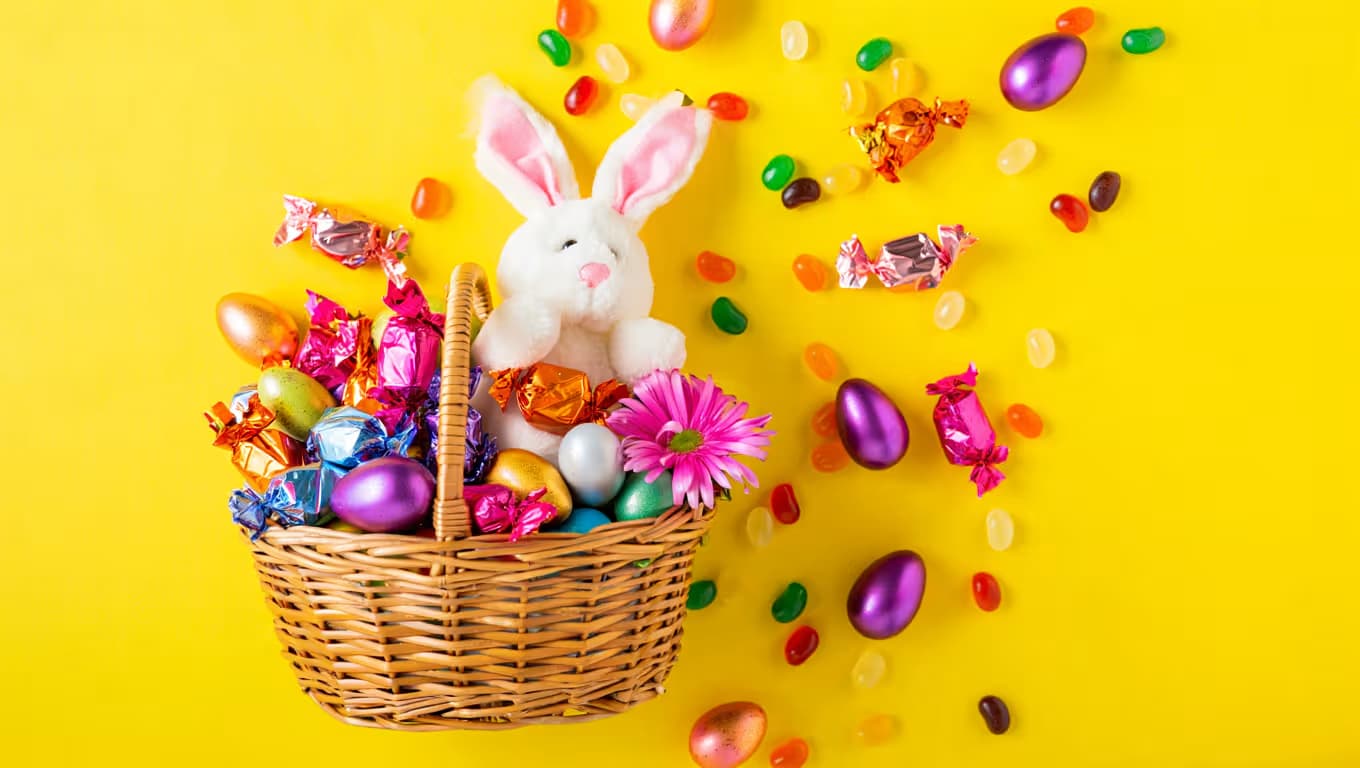 Easter basket ideas
 Easter basket ideasEaster Basket for adults
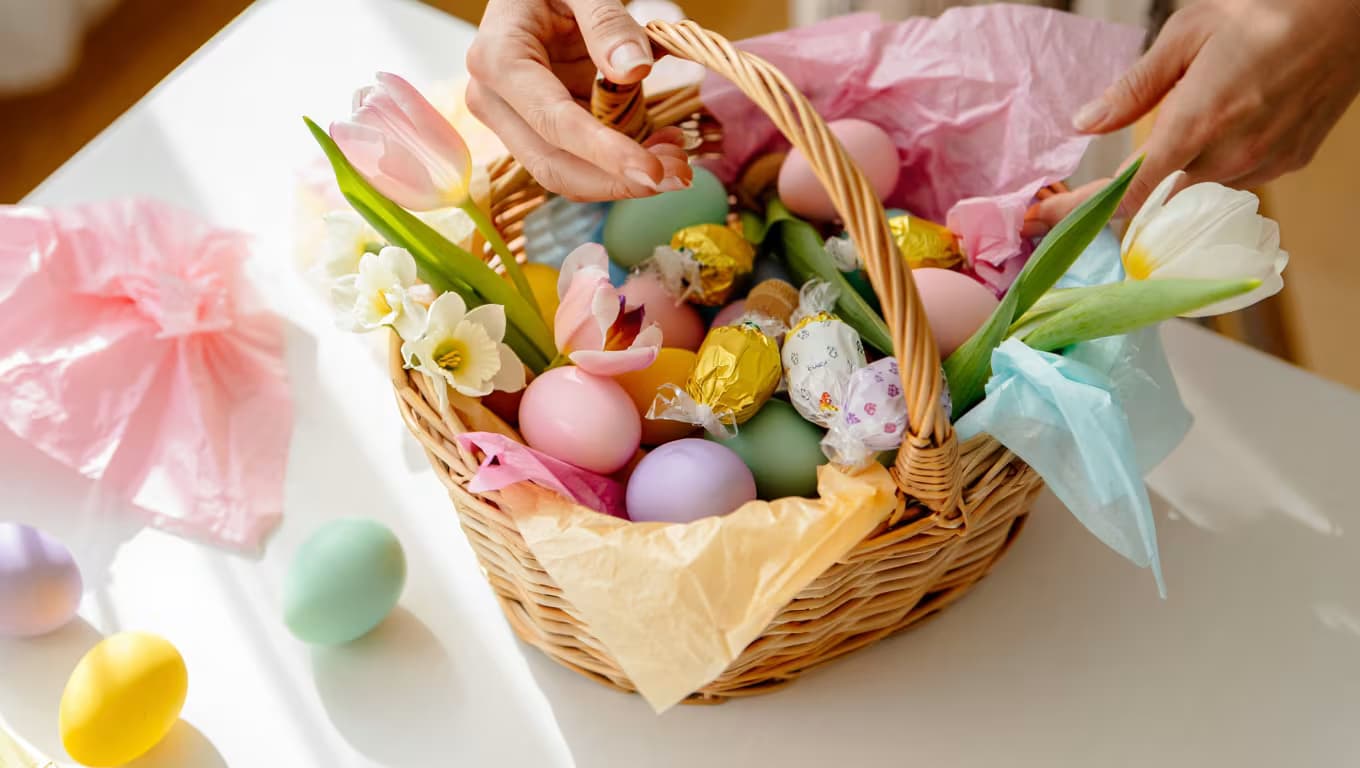 Easter basket ideas